Table of Contents
The Danger of Electrical Grid Surges During Power Restoration
When utility crews reconnect substation feeders after a storm, electrical voltages on the grid do not return to a smooth, clean 240 volts immediately. For the first 15 to 30 minutes following restoration, line voltages fluctuate violently with sudden surges and voltage drops.
Modern HVAC systems contain sensitive electronic control boards, microprocessor thermostats, ECM variable-speed blower motors, and solid-state inverter drives. Subjecting these electronic components to chaotic restoration surges can fry transformers and burn out circuit boards instantly.
Furthermore, if power blinks rapidly on and off, an outdoor compressor can attempt to restart against high internal head pressure, drawing locked-rotor amperage that trips circuit breakers and damages compressor motor windings.
Experiencing This HVAC Issue Right Now?
Our Raleigh diagnostic technicians can inspect your system today. Call (321) 666-8870 for confirmed arrival windows.
Upfront Written Quote
Before any repair starts
Same-Day Dispatch
When booked by noon
Transparent Diagnostics
$75–$145 full test fee
Midtown Raleigh Hub
4800 Six Forks Road
Step-by-Step Inspection Checklist Before Turning Power Back On
Before flipping electrical breakers back on, perform this physical inspection:
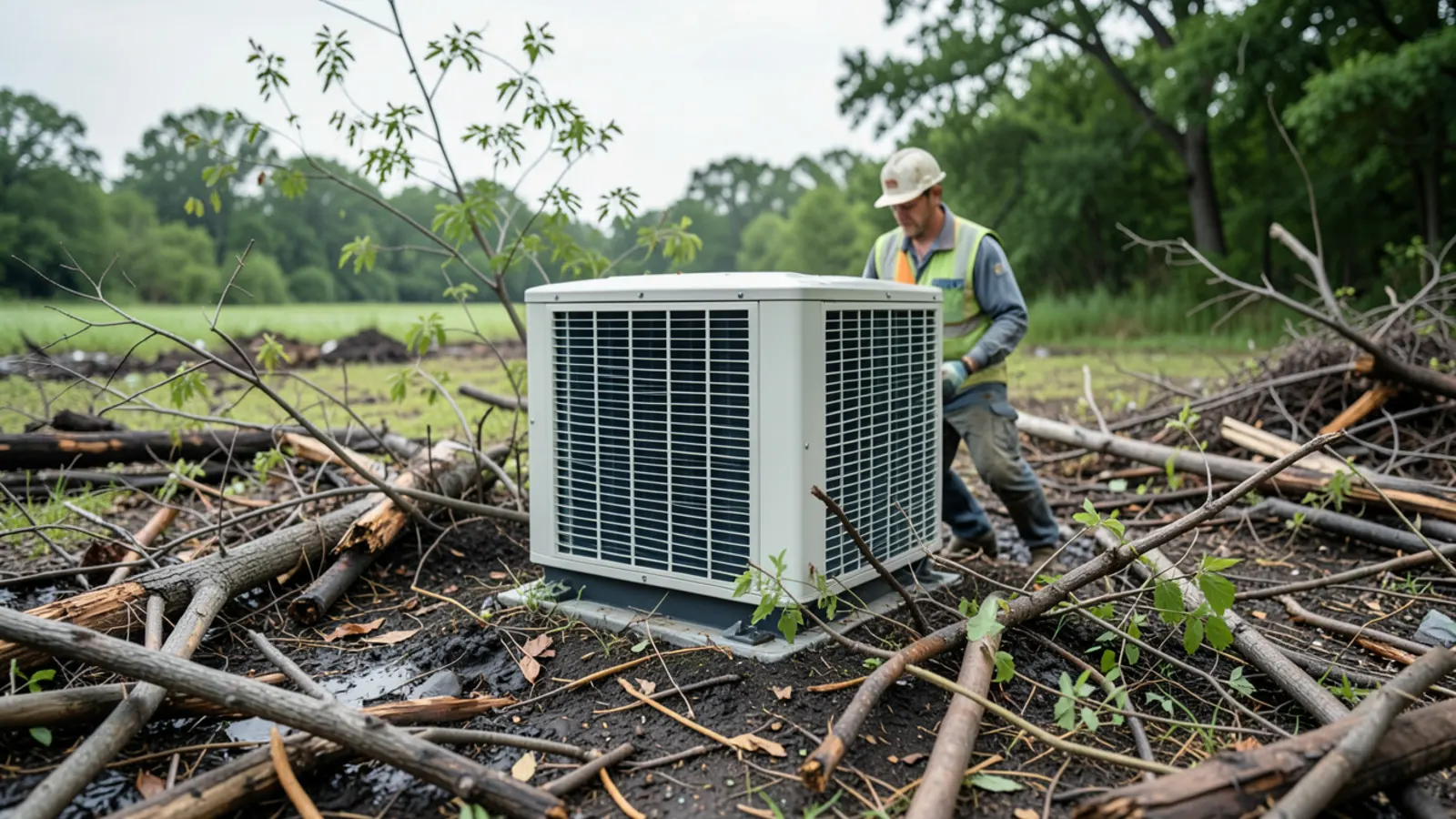
1. Inspect the Outdoor Unit for Falling Debris: High storm winds routinely dislodge heavy pine branches, sweetgum limbs, and outdoor patio furniture. Verify that fallen debris has not crushed the top fan grille, dented the coil, or severed electrical conduit.
2. Check for Flooding and Standing Water: If heavy rains caused stormwater to pool around the outdoor unit, check the water level. If floodwater reached the electrical service cabinet or submerged the compressor, DO NOT turn the unit on. Silted electrical components must be professionally cleaned and dried first.
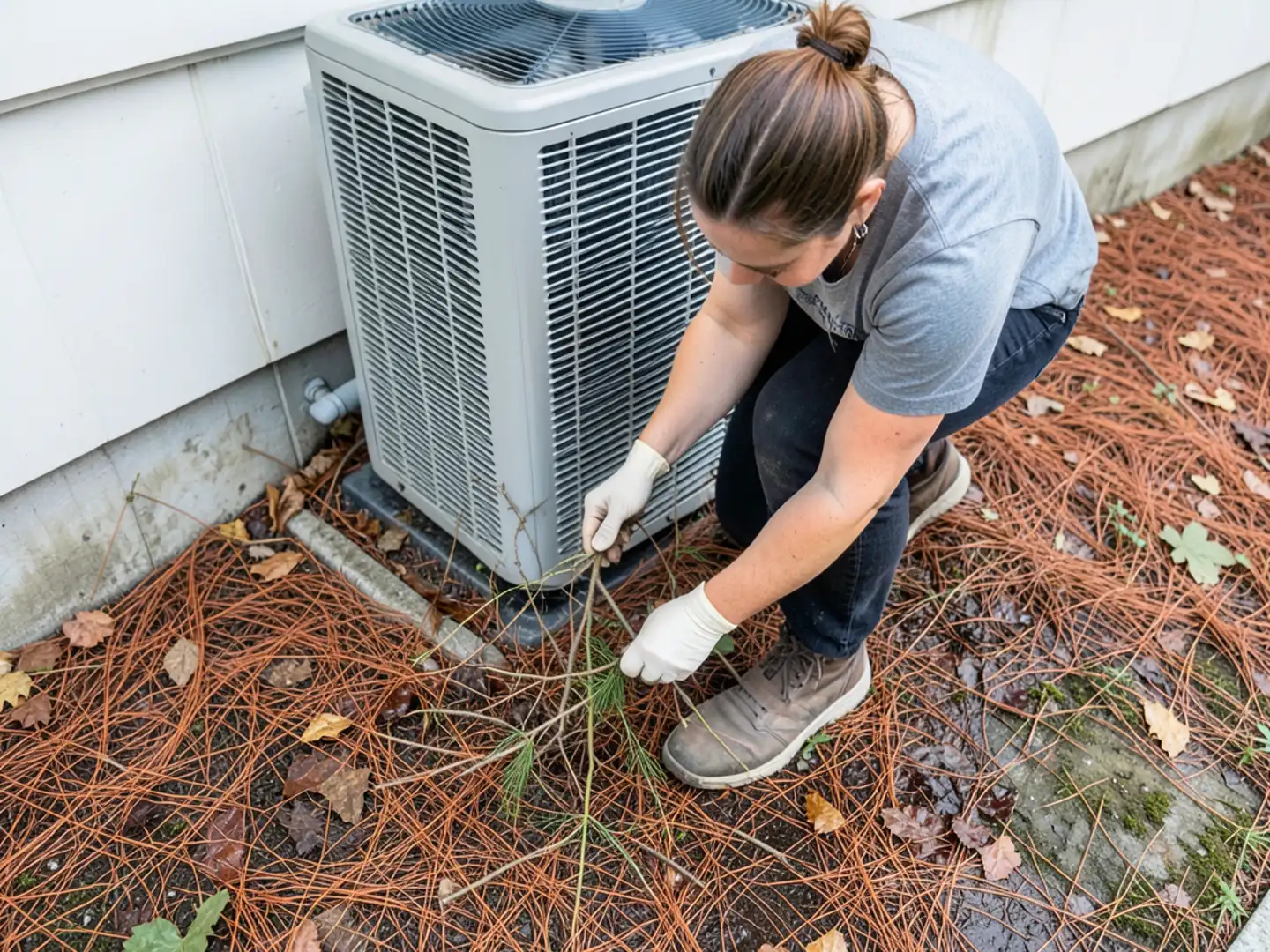
3. Clear Windblown Leaves and Mulch: High winds pack wet pine straw, leaves, and mulch tightly against outdoor coil fins. Remove this debris by hand to ensure adequate airflow.
The Safe Electrical Restart Procedure for Homeowners
Follow this safe four-step restart protocol once grid power is fully stable:
Step 1: Set Thermostat to 'Off': Before touching breakers, switch your thermostat completely to 'Off' so the system does not demand immediate compressor startup.
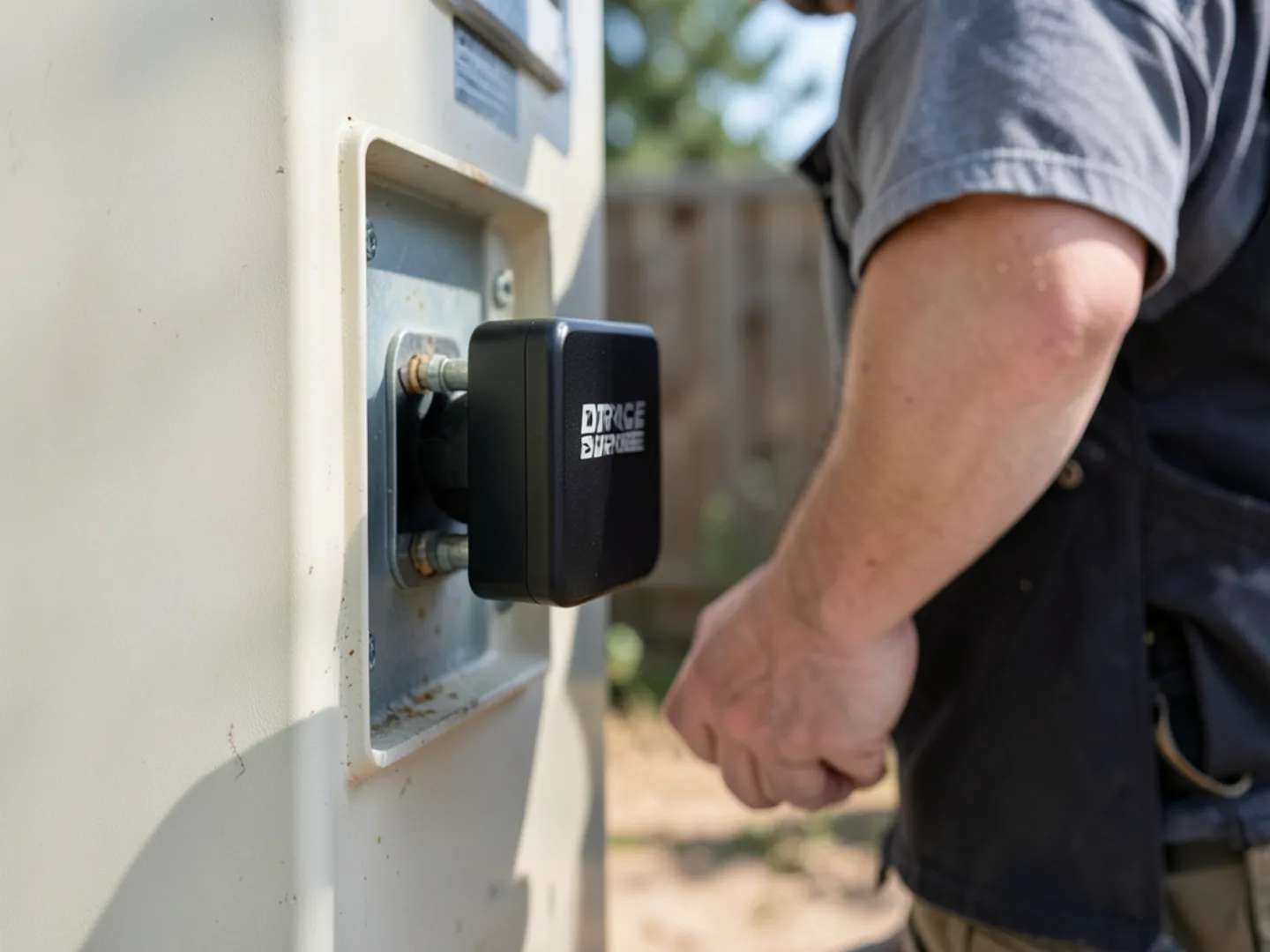
Step 2: Reset Electrical Breakers: Go to your main electrical panel and firmly switch the HVAC breakers to 'Off' and then back to 'On.'
Step 3: Allow the Crankcase Heater to Warm Up: If power was out for more than 4 hours during cool weather, wait 30 to 60 minutes with main power engaged before setting the thermostat to heat or cool. This allows the internal compressor crankcase heater to boil off liquid refrigerant from the oil sump, preventing catastrophic compressor bearing failure.
Step 4: Engage Cooling or Heating Gradually: Switch the thermostat to 'Cool' or 'Heat' and adjust the temperature 2 degrees from current room temperature. Listen to the outdoor unit as it starts to verify smooth, normal fan and compressor operation.
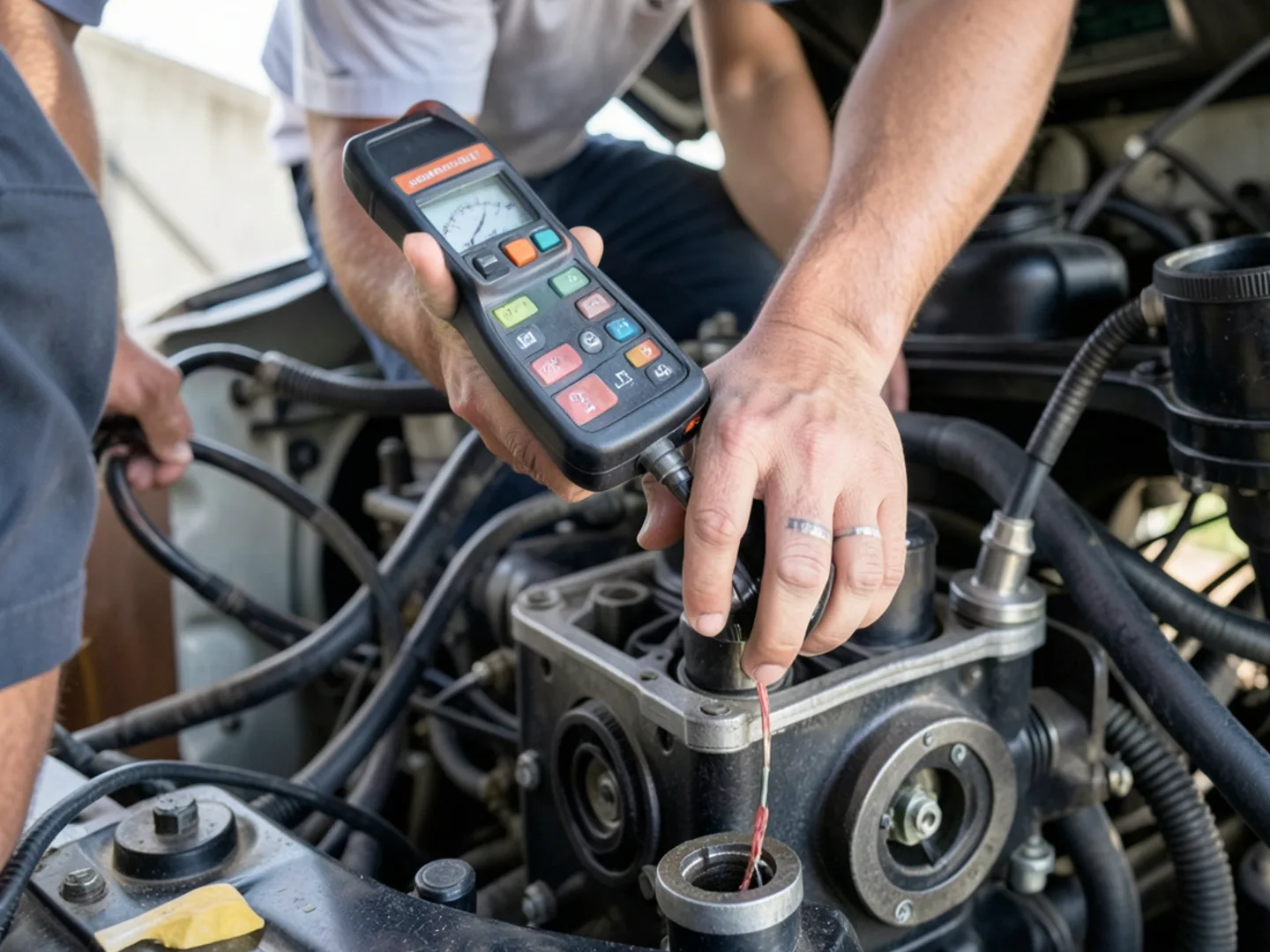
Post-Storm HVAC Diagnostics Across Wake and Durham
If your HVAC system fails to restart after power restoration, hums loudly, or repeatedly trips your breaker panel, contact Quality Heat and Air.
We provide comprehensive storm recovery diagnostics, checking motor windings, testing capacitor tolerances, and replacing surge-damaged control boards across Raleigh, Cary, Apex, and Holly Springs.
Need Professional Heating or AC Service in Raleigh?
Call (321) 666-8870 to schedule your diagnostic visit. Dispatched from North Hills across Wake County and Durham.
Upfront Written Quote
Before any repair starts
Same-Day Dispatch
When booked by noon
Transparent Diagnostics
$75–$145 full test fee
Midtown Raleigh Hub
4800 Six Forks Road