
Table of Contents
The 'Cool Air' Sensation: Normal Heat Pump Physics vs. Breakdown
If you recently relocated to the Triangle from the Northeast or Midwest where natural gas, oil, or steam radiators predominate, an electric heat pump's heating cycle will feel dramatically different.
A traditional gas furnace combusts fossil fuel to blast air through your supply registers at 125°F to 140°F. When that furnace kicks on, it produces an unmistakable wave of intense, dry heat. In stark contrast, a modern high-efficiency heat pump does not create heat through combustion; it extracts ambient heat from outdoor air using pressurized refrigerant cycles and transfers it indoors.
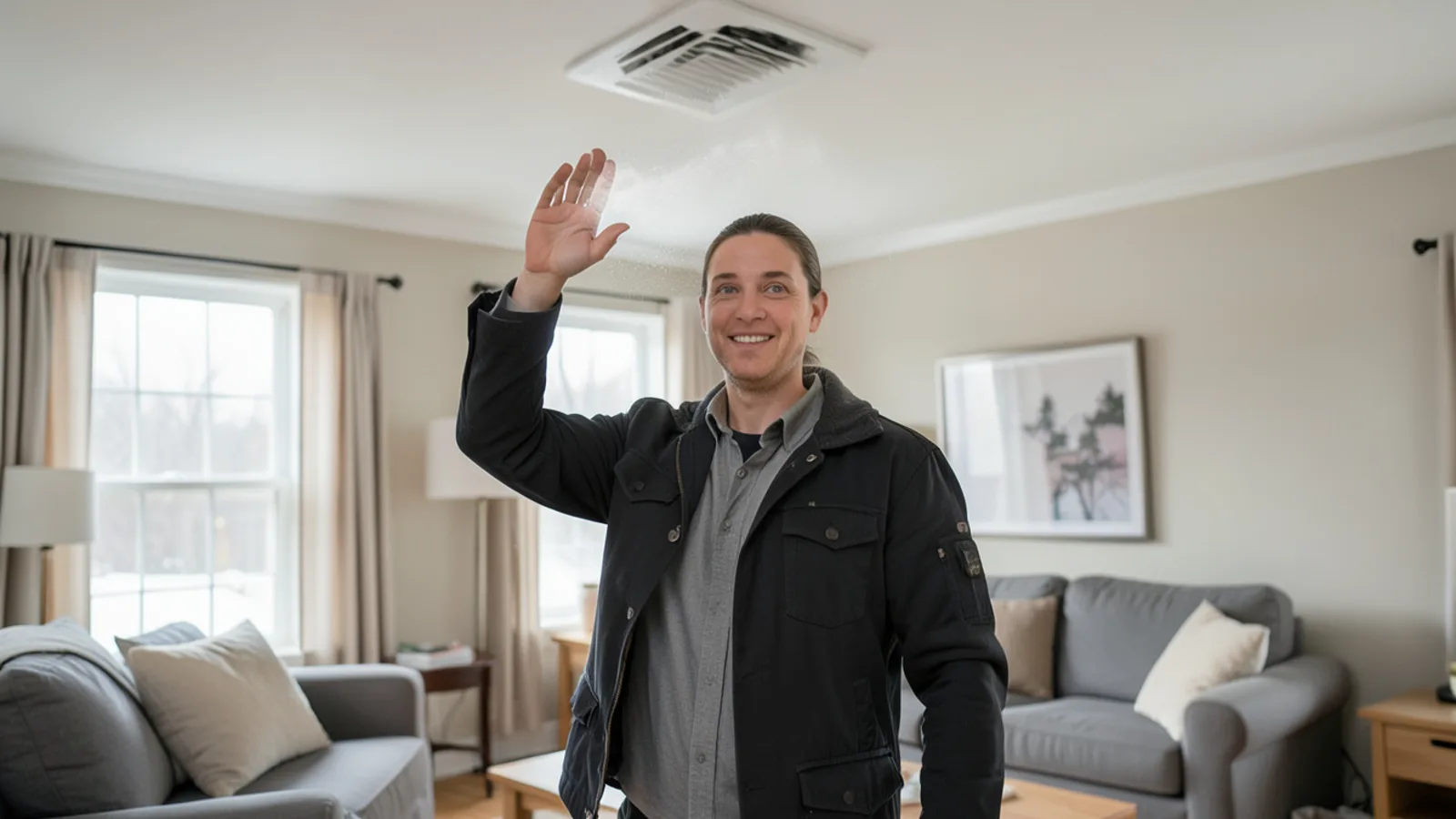
As a result, the supply air exiting your heat pump registers typically measures between 88°F and 95°F. Because normal human skin temperature averages approximately 98.6°F, air circulating at 92°F can feel slightly drafty or cool to the touch if you place your hand directly in the airflow. Yet, as long as that air is warmer than the room temperature (say, 68°F), it is steadily and efficiently warming your home. The true test of system performance is not how the air feels on your hand, but whether your indoor room temperature is steadily climbing toward your thermostat setpoint.
Experiencing This HVAC Issue Right Now?
Our Raleigh diagnostic technicians can inspect your system today. Call (321) 666-8870 for confirmed arrival windows.
Upfront Written Quote
Before any repair starts
Same-Day Dispatch
When booked by noon
Transparent Diagnostics
$75–$145 full test fee
Midtown Raleigh Hub
4800 Six Forks Road
When Cold Air Signals an Actual Mechanical Breakdown
If your thermostat is calling for heat, the blower has been running for 20 minutes, and the air coming from your vents actually feels colder than the room air—or if your indoor thermometer is steadily dropping—you are dealing with a genuine mechanical failure.
Here are the four most frequent mechanical failures that cause heat pumps to blow cold air in Raleigh homes:
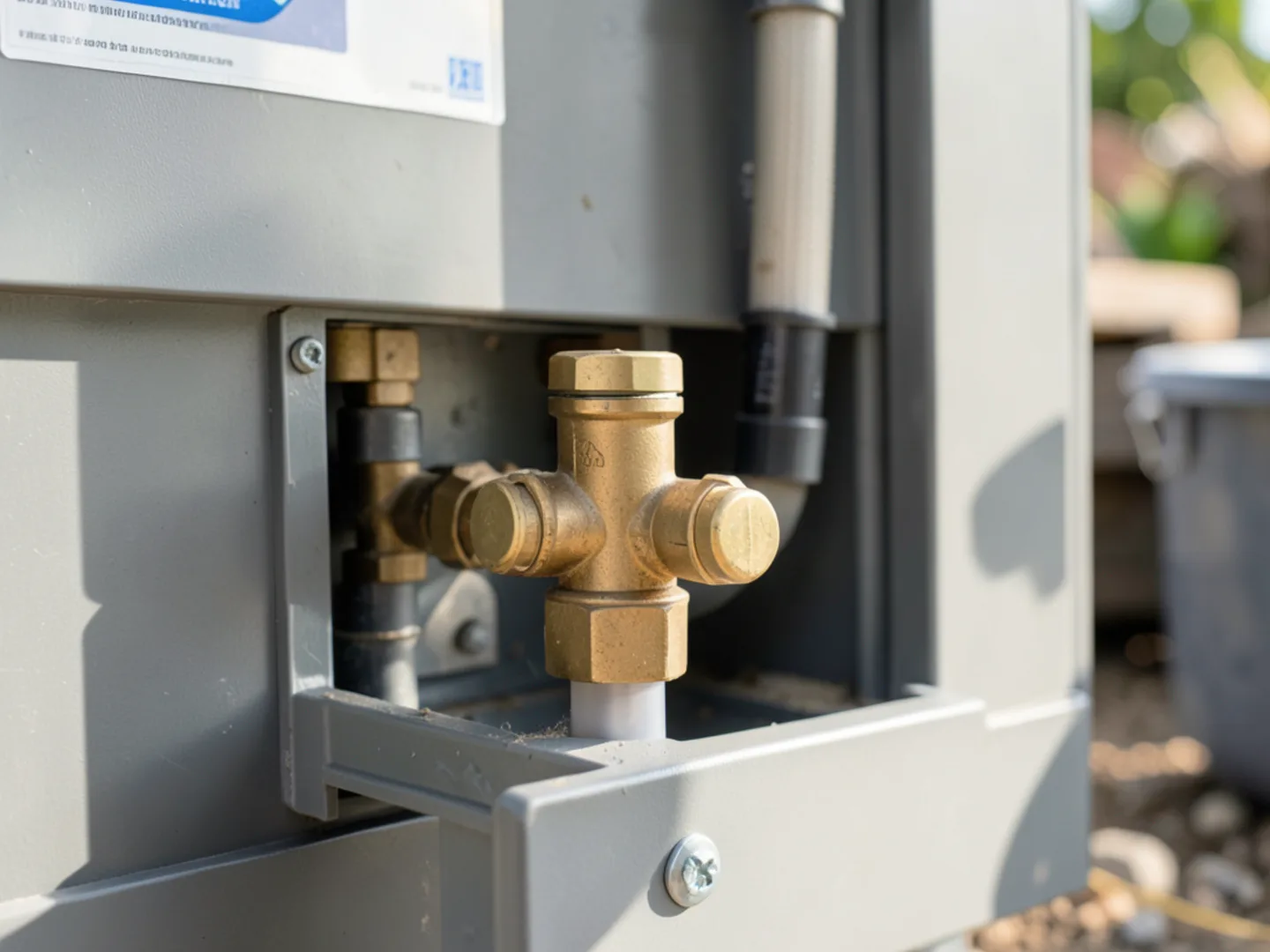
- Stuck Reversing Valve: The four-way reversing valve directs high-pressure refrigerant between heating and cooling circuits. If the valve's electrical solenoid coil burns out or the internal brass slider sticks mechanically, the heat pump remains trapped in air conditioning mode, blowing chilled air into your home during winter.
- Defrost Cycle Failure Without Auxiliary Heat: In freezing weather, outdoor coils naturally accumulate frost. The heat pump periodically switches to cooling mode for 5 to 10 minutes to melt this frost with hot gas. Normally, auxiliary electric heat strips activate inside the air handler to temper the indoor air so you never feel a draft. If the heat strip sequencer fails, unconditioned 40°F air blows directly through your vents during defrost.
- Refrigerant Leaks and Loss of Charge: If vibration or coil corrosion causes a microscopic refrigerant leak, there is insufficient chemical mass to absorb outdoor heat. The compressor continues running, but the thermodynamic cycle produces zero heating output.
- Choked Return Air Filters: An air filter packed with pet dander and dust restricts airflow across the indoor electric heating elements. Lacking airflow to carry away heat, the elements trip internal high-limit thermal safety switches, shutting off heating output completely.
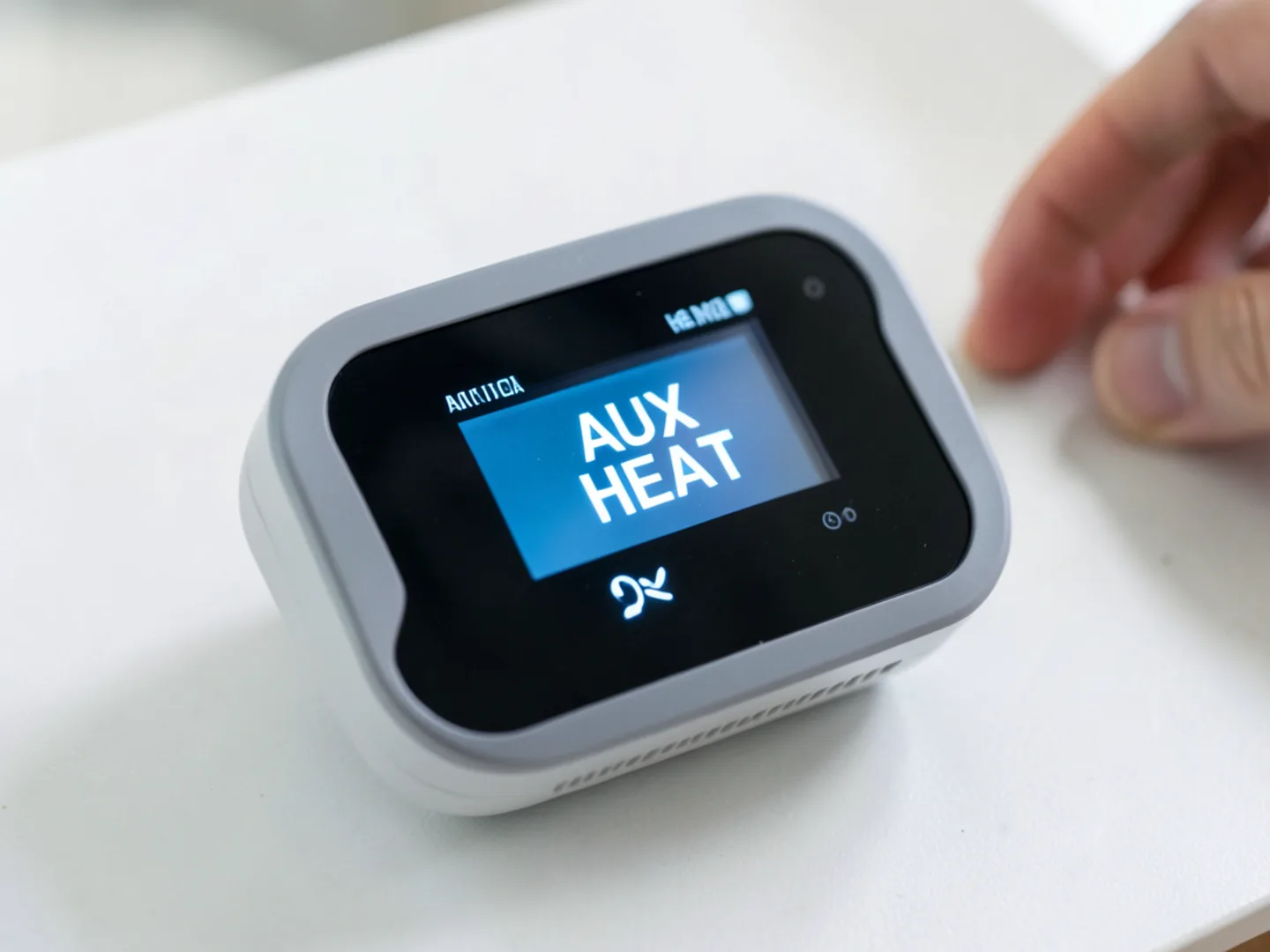
The Thermostat 'Aux Heat' Mystery: Normal Operation or Warning Sign?
Homeowners frequently call our dispatch desk asking why the little 'Aux Heat' light on their digital thermostat turns on and off during winter. Understanding this display is key to keeping your heating bills under control.
In a split-system heat pump, 'Auxiliary Heat' refers to electric resistance heating coils (essentially large toaster elements) housed within the indoor air handler. These strips provide supplemental heat under two specific conditions: first, when the outdoor temperature drops below your heat pump's thermal balance point (typically between 30°F and 35°F in the Triangle) and the heat pump alone cannot satisfy heating demand; and second, during the brief defrost cycle to prevent cold indoor drafts.
When auxiliary heat activates during a 22°F January dawn, that is completely normal design operation. However, if 'Aux Heat' remains on when the outdoor temperature is 45°F or 50°F, or if it stays illuminated continuously for days at a time, your outdoor unit has likely suffered a mechanical failure. In that scenario, your home is heating exclusively on electric resistance strips—which consume three to four times more electricity, resulting in catastrophic power bill spikes.
Step-by-Step Homeowner Diagnostic Checklist
Before calling for emergency service, perform these four safe, non-invasive homeowner checks to eliminate common user errors:
1. Inspect the Thermostat Display: Ensure the system mode is set to 'Heat' rather than 'Cool' or 'Fan Only.' Verify that the fan switch is set to 'Auto' rather than 'On.' If the fan is set to 'On,' the blower will run continuously between heating cycles, circulating room-temperature air that feels drafty.
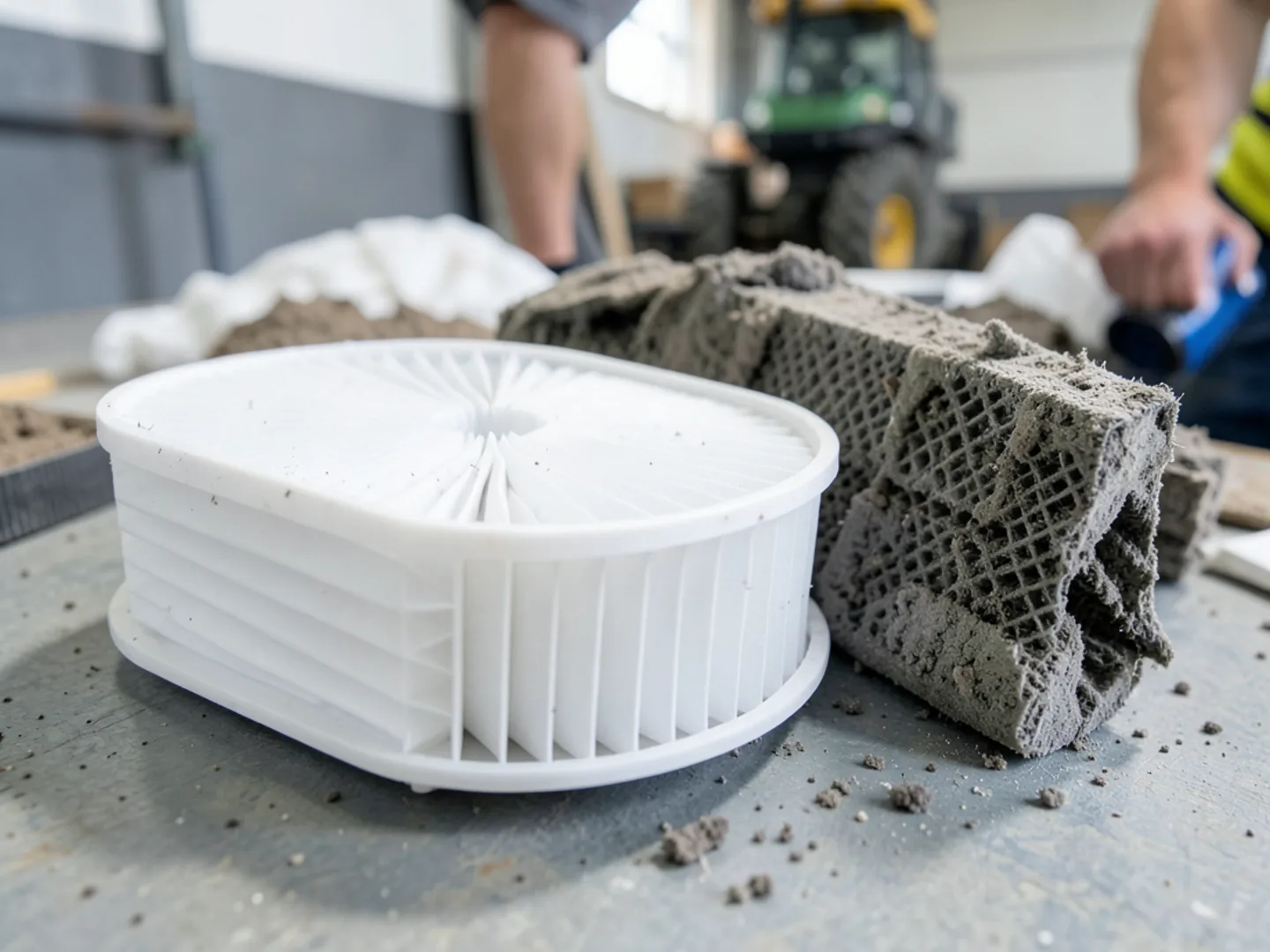
2. Check the Return Air Filter: Slide out your air filter. If it is caked in gray dust or yellow pet hair, replace it immediately with a fresh MERV 8 to MERV 11 filter.
3. Inspect the Outdoor Unit: Walk outside and look at your condensing unit. Is the top fan spinning? Is the unit buried in fallen leaves, snow, or encased in a solid block of translucent ice? If the outdoor unit is silent while the indoor blower runs, check your electrical panel for a tripped breaker.
4. Reset the Circuit Breakers: Locate your home's main electrical panel and identify the double-pole breakers labeled 'Heat Pump' and 'Air Handler.' Switch them firmly to 'Off,' wait 60 seconds, and switch them back to 'On.' This resets electronic lockout controls on the control board.
Important Ice Warning
Never use a screwdriver, ice pick, or hammer to chip ice away from outdoor heat pump coils. The aluminum fins and copper tubes are fragile, and a puncture will immediately vent the entire refrigerant charge, costing hundreds in repairs.
When to Call Quality Heat and Air for Professional Dispatch
If your thermostat is set correctly, the air filter is clean, the outdoor unit is powered, but the air coming from your vents remains cold after 30 minutes, it is time to call a professional technician.
Our Raleigh dispatch team coordinates rapid field response across Wake County and Durham. Our certified technicians arrive with fully equipped service vehicles carrying digital diagnostic tools, reversing valve solenoids, heat strip sequencers, and OEM defrost boards to restore warmth to your home quickly and affordably.
Need Professional Heating or AC Service in Raleigh?
Call (321) 666-8870 to schedule your diagnostic visit. Dispatched from North Hills across Wake County and Durham.
Upfront Written Quote
Before any repair starts
Same-Day Dispatch
When booked by noon
Transparent Diagnostics
$75–$145 full test fee
Midtown Raleigh Hub
4800 Six Forks Road