Table of Contents
Why Air Conditioners Fail Most Frequently During Heat Waves
Air conditioning systems do not break down randomly; they fail under peak thermal load. When outdoor ambient temperatures cross 90°F, heat transfer from the outdoor condenser coil slows down significantly.
To reject indoor heat into scorching outdoor air, the compressor must work at dramatically higher head pressures. This continuous duty cycle raises the temperature of electrical components inside the outdoor service cabinet.
Capacitors that were already weakened by age or voltage fluctuations finally rupture. Fan motor bearings seize under extreme thermal expansion, and contactor switch points pit and weld together. Additionally, high indoor humidity generates gallons of condensate water hourly, rapidly exposing any slight clog in horizontal drain lines.
Experiencing This HVAC Issue Right Now?
Our Raleigh diagnostic technicians can inspect your system today. Call (321) 666-8870 for confirmed arrival windows.
Upfront Written Quote
Before any repair starts
Same-Day Dispatch
When booked by noon
Transparent Diagnostics
$75–$145 full test fee
Midtown Raleigh Hub
4800 Six Forks Road
6 Essential Safe Checks Homeowners Should Run Right Now
Before calling dispatch, run through these six safe, non-invasive homeowner inspections:
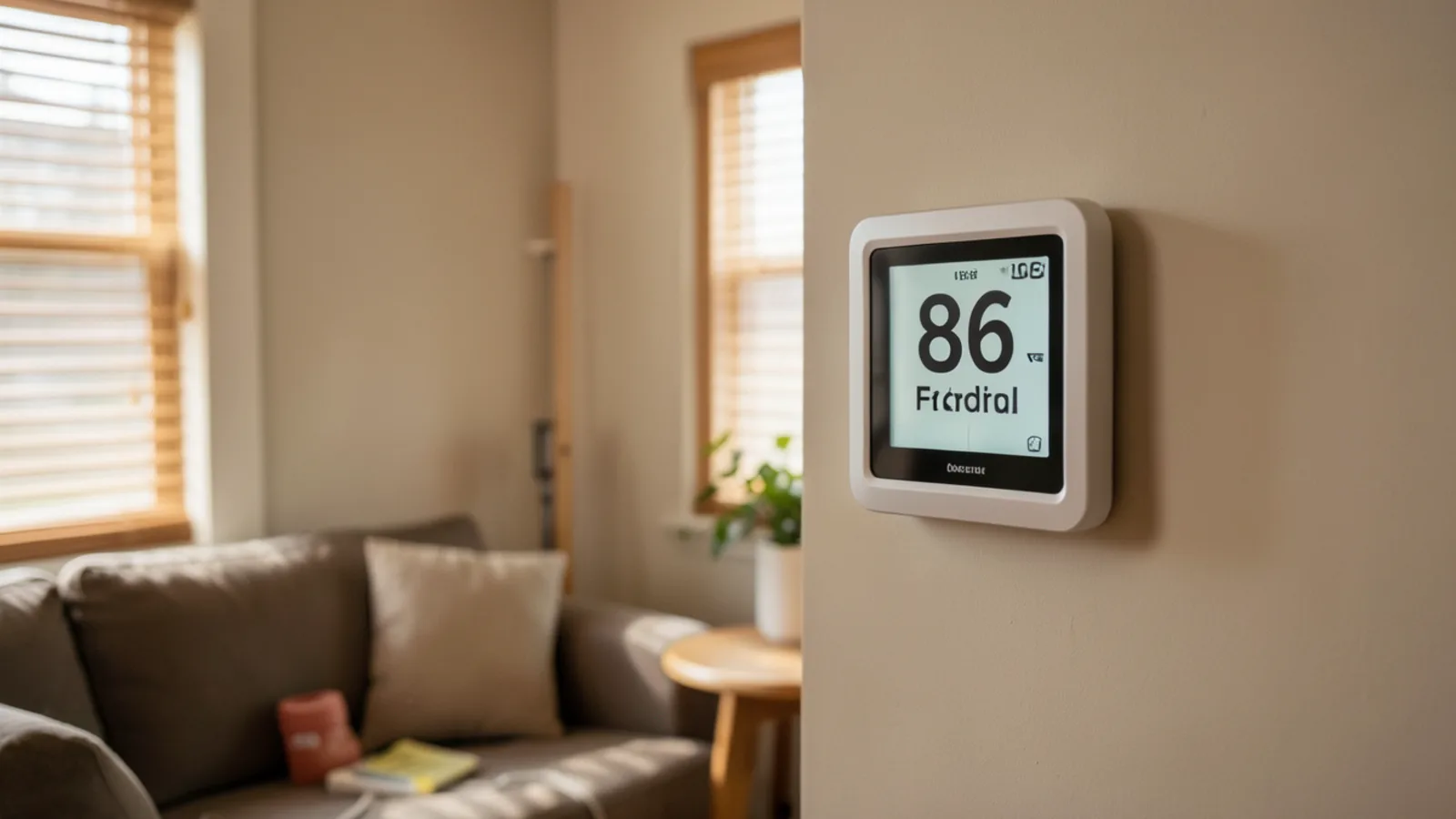
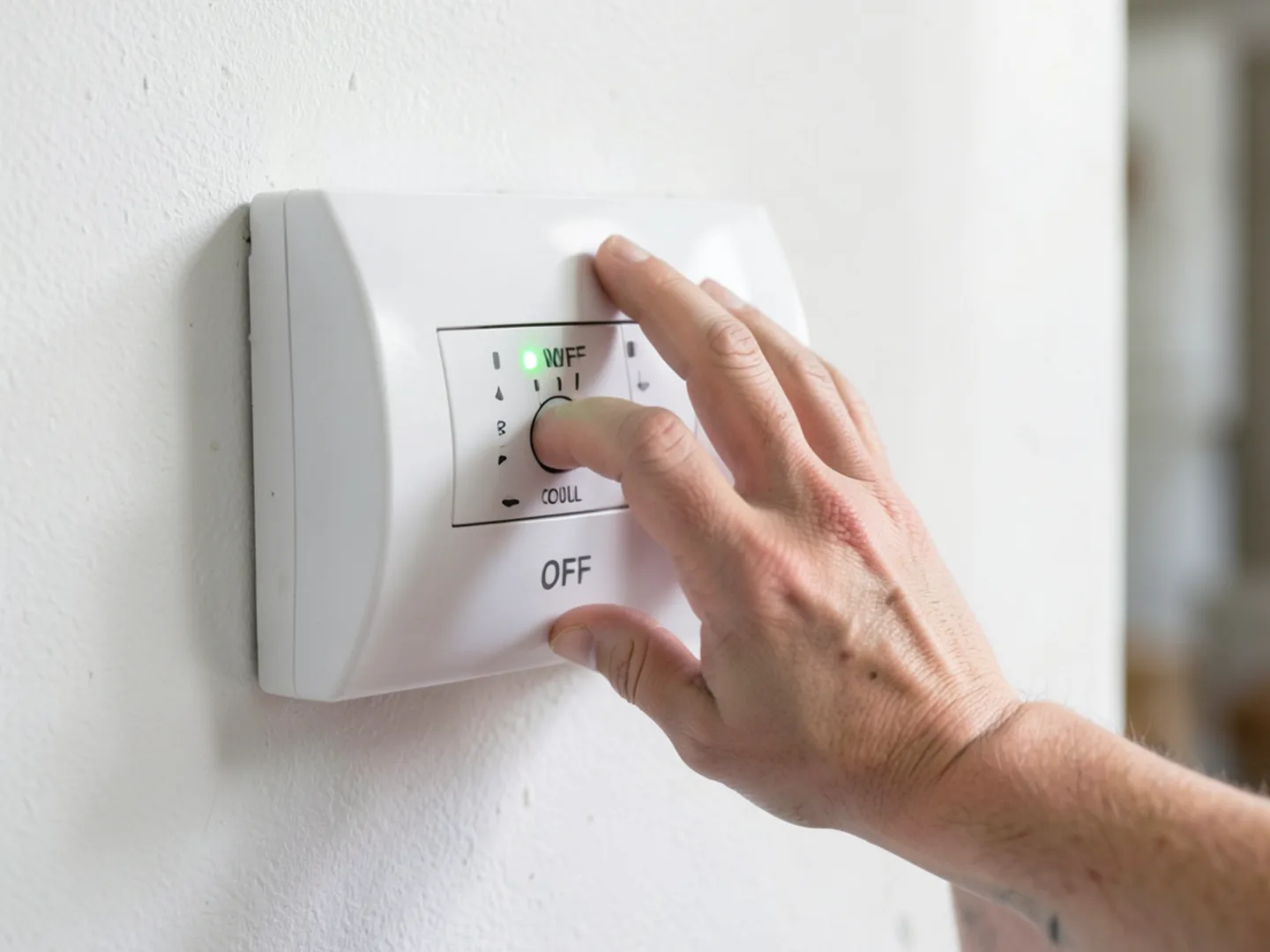
1. Check the Thermostat Screen and Settings: Is the screen blank? If your thermostat operates on AA or AAA batteries, replace them immediately. Ensure the mode is firmly set to 'Cool' and the temperature setpoint is at least 3 degrees below the current room temperature.
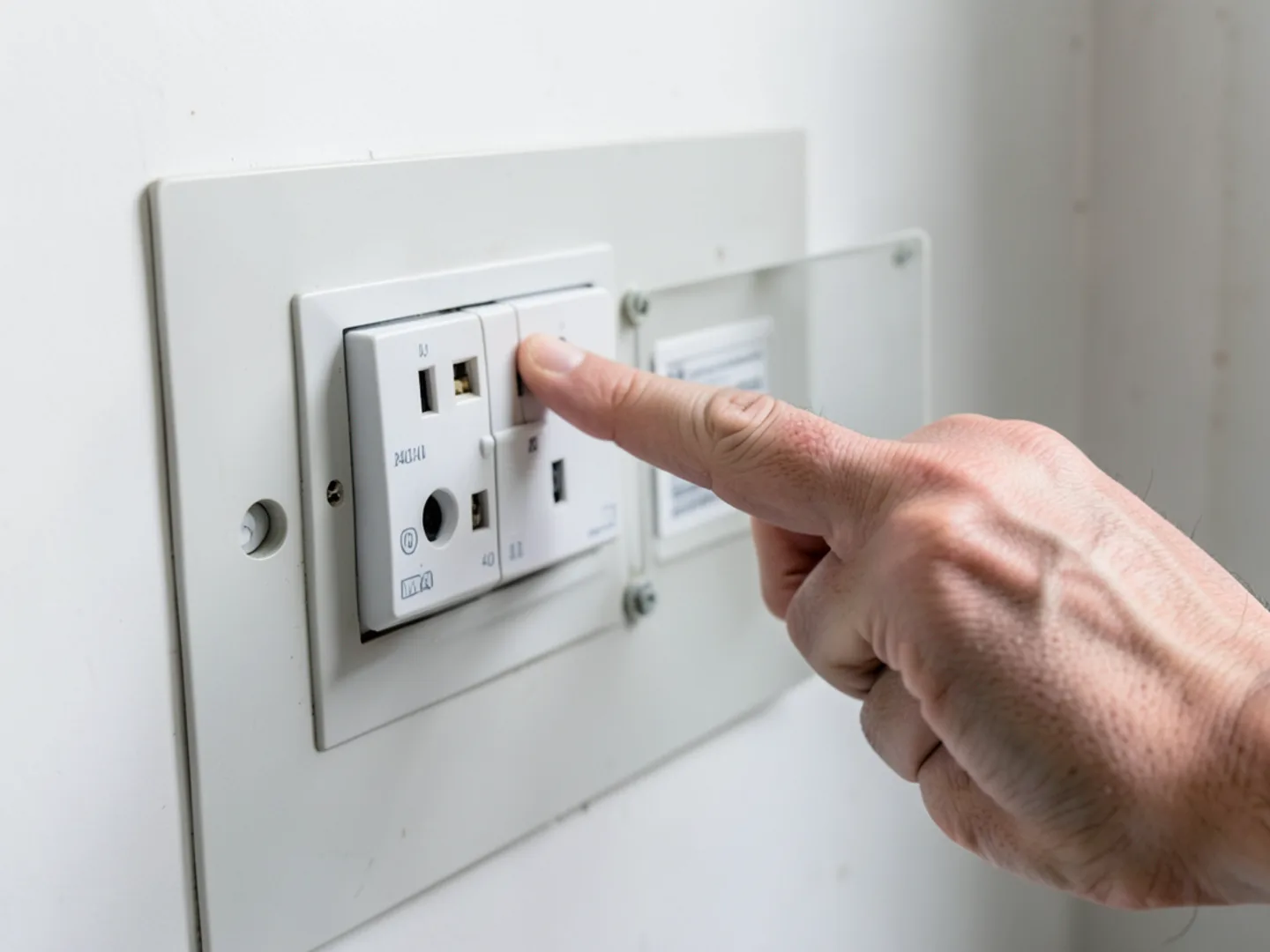
2. Inspect the Main Breaker Panel: Air conditioning systems utilize two separate circuits: a 120V circuit for the indoor air handler/furnace blower, and a 240V double-pole circuit for the outdoor condensing unit. Look for a tripped breaker that has shifted to the middle position. Turn it firmly to 'Off' and then back to 'On.' If it trips immediately, do not reset it again—this indicates an electrical short circuit.
3. Check the Outdoor Disconnect Box: Ensure the outdoor service disconnect switch mounted to the exterior wall next to your unit has not vibrated loose or blown an internal cartridge fuse.
4. Inspect the Return Air Filter: A severely clogged filter strangles airflow across the evaporator coil. Without airflow, the coil drops below freezing, coating itself in solid ice and halting all airflow into your living spaces.
5. Check the Condensate Drain Pan Float Switch: If your air handler is located in the attic or a second-floor closet, look at the PVC drain line next to the unit. Many installations include a small T-shaped safety float switch. If the drain line clogs with algae, water backs up and lifts the float, instantly cutting power to the outdoor compressor to prevent ceiling water damage.
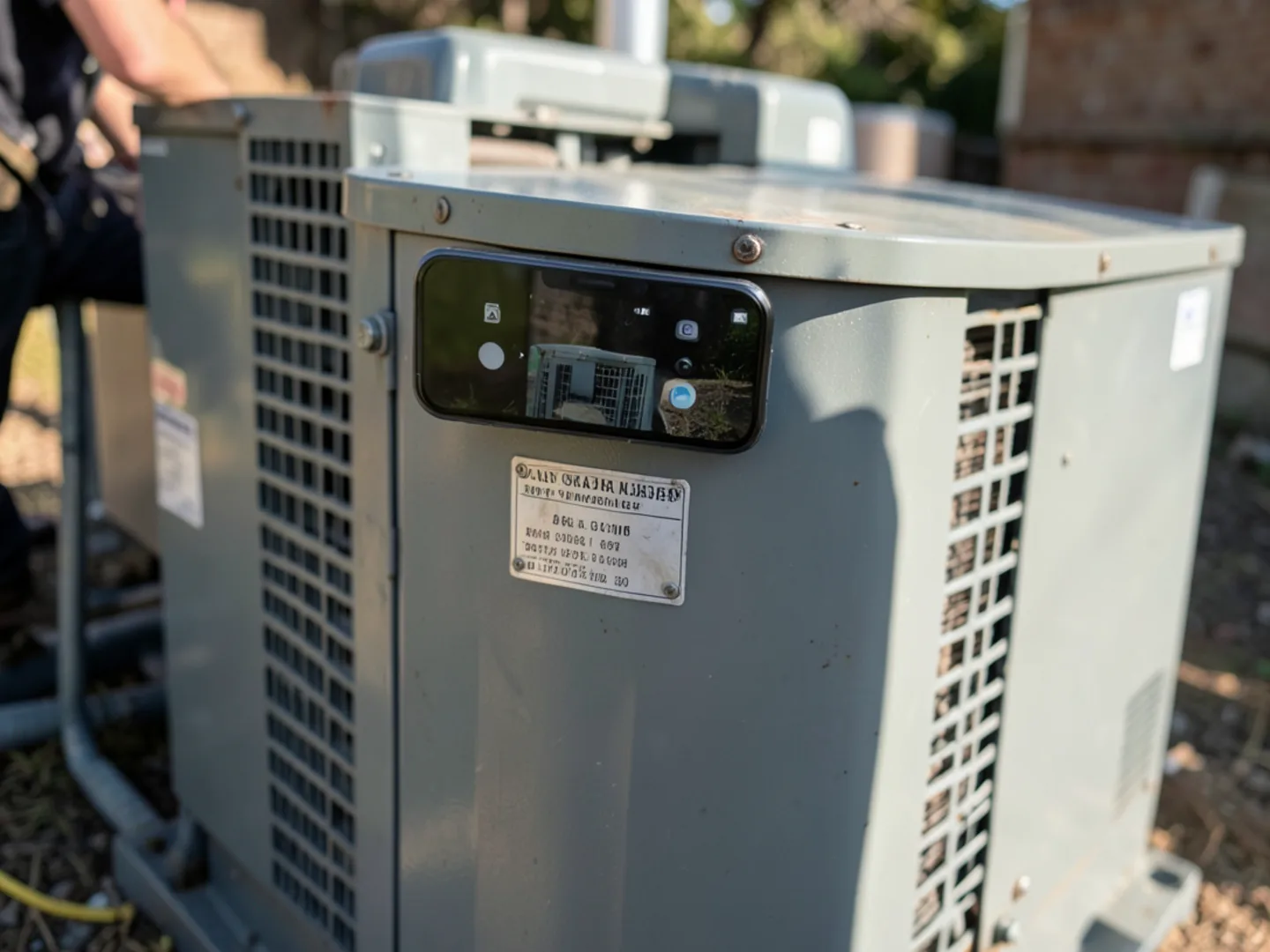
6. Listen to the Outdoor Condenser: Stand near the outdoor unit while someone adjusts the thermostat. Do you hear a faint buzzing or clicking sound without the fan blades spinning? This is a classic indicator of a failed dual-run capacitor.
Crucial Actions to Avoid: Protecting Your Equipment
During an AC failure, anxious homeowners often take actions that inadvertently cause severe, permanent damage to their cooling systems:
Never Keep Running a System Blowing Warm Air: If your outdoor unit is not running but you leave the thermostat set to 'Cool,' the indoor blower will circulate warm, humid air while potentially burning out control transformers.
Never Force a Tripped Breaker to Stay On: Breakers trip to prevent electrical house fires. If a 240V breaker trips repeatedly, forcing it or holding it on will melt motor windings and could destroy your electrical service panel.
Never Run a Frozen System: If you see ice on the copper lines, running the AC will cause liquid refrigerant to enter the compressor cylinder—a condition known as liquid slugging, which destroys internal valves.
How to Keep Your Home Bearable While Awaiting Dispatch
While our technician is en route to your Raleigh home, take these practical steps to slow indoor heat gain:
Close All Blinds and Drapes: Solar radiation through south- and west-facing windows accounts for up to 40% of daytime heat gain. Keep curtains drawn tight.
Avoid Using Heat-Generating Appliances: Do not run dishwashers, clothes dryers, ovens, or stovetops. Limit hot showers that introduce steam and humidity into living areas.
Utilize Ceiling Fans Correctly: Ensure ceiling fans are rotating counterclockwise to produce a cooling downdraft breeze.
Fast Emergency AC Dispatch Across Wake and Durham Counties
When summer temperatures surge, Quality Heat and Air operates priority emergency dispatch across Raleigh, Cary, Garner, Wake Forest, and Morrisville.
Our technicians carry fully stocked inventory including dual-run capacitors, contactors, condenser fan motors, and universal float switches, restoring cool comfort on the initial visit in the vast majority of calls.
Need Professional Heating or AC Service in Raleigh?
Call (321) 666-8870 to schedule your diagnostic visit. Dispatched from North Hills across Wake County and Durham.
Upfront Written Quote
Before any repair starts
Same-Day Dispatch
When booked by noon
Transparent Diagnostics
$75–$145 full test fee
Midtown Raleigh Hub
4800 Six Forks Road